How Yoga Builds What Time Takes
A 2017 brain imaging study found that female yogis over 60 had thicker prefrontal cortexes than non-practitioners—in the very region that typically thins with age. Eight years of practice. Measurable protection.

A 2017 brain imaging study found that female yogis over 60 had thicker prefrontal cortexes than non-practitioners—in the very region that typically thins with age. Eight years of practice. Measurable protection.
The stiffness you feel in winter isn’t just inconvenient—it’s your body’s intelligent response to cold. Understanding this physiology transforms how we approach practice in the colder months.
I didn’t meditate my way out of that immigration hearing. I sat in an uncomfortable chair, felt my damp palms, noticed my racing heart, and stayed anyway. That’s civic practice.
New Harvard research shows gratitude may extend life by 9%. The ancient yogic practice of santosha—contentment—turns out to be more than philosophy.
Research confirms what yogis have known for millennia: external clutter creates internal chaos. The first niyama offers a path to clarity that science is only beginning to understand.
What if the harshest voice in your head isn’t actually yours? Beneath all that noise exists a dimension of your being that has only ever regarded you with unconditional acceptance.
Many teachers and committed practitioners report subtle but powerful somatic effects when practicing bandhas, kumbhaka, and slow deep breathing. Recent imaging work suggests these practices can also change measurable cerebrospinal fluid motion. This summary reviews the relevant physiology, the current evidence, and safety-first guidance for classroom use. Links to Ashtanga Tech resources support follow-up study….
That nagging pinch when your arms lift overhead? It might have nothing to do with your rotator cuff. Looking upstream at breath patterns and thoracic mobility reveals where the real story begins.
A community of lifeguards, party guests, and everyday beachgoers demonstrated what selfless action looks like when it emerges spontaneously in moments of crisis.
Stronger hips. FASTER race times.
DEEPER leg behind the head. Well, it all starts at the feet.
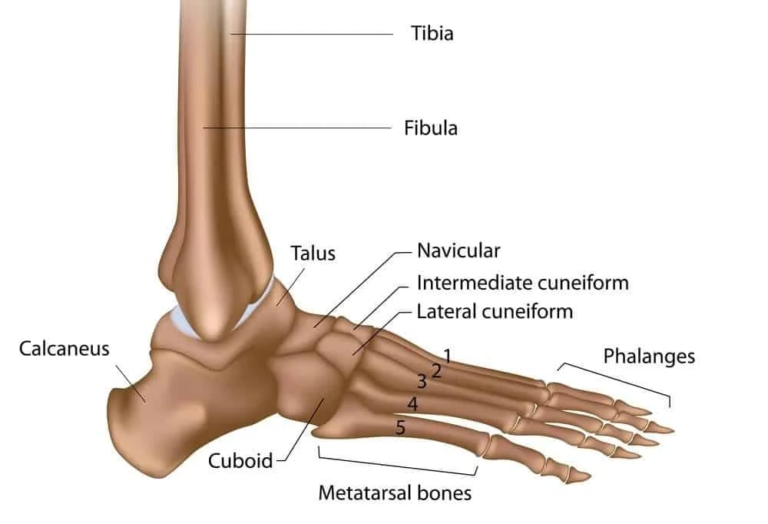
Below is an easy-to-follow Functional Range Conditioning (FRC) sequence focused on ankle stability that pulls heavily from Ashtanga Tech’s Range‑Conditioning material and standard FRC practice (PAILs / RAILS, CARs, end‑range conditioning). I’ve given step‑by‑step cues, timings, equipment options, regressions/progressions, and a ready-to-run 15‑minute version. Where possible I point to the Ashtanga Tech pages (note: many study‑guide pages require membership) and to open FRC references for the protocols.