
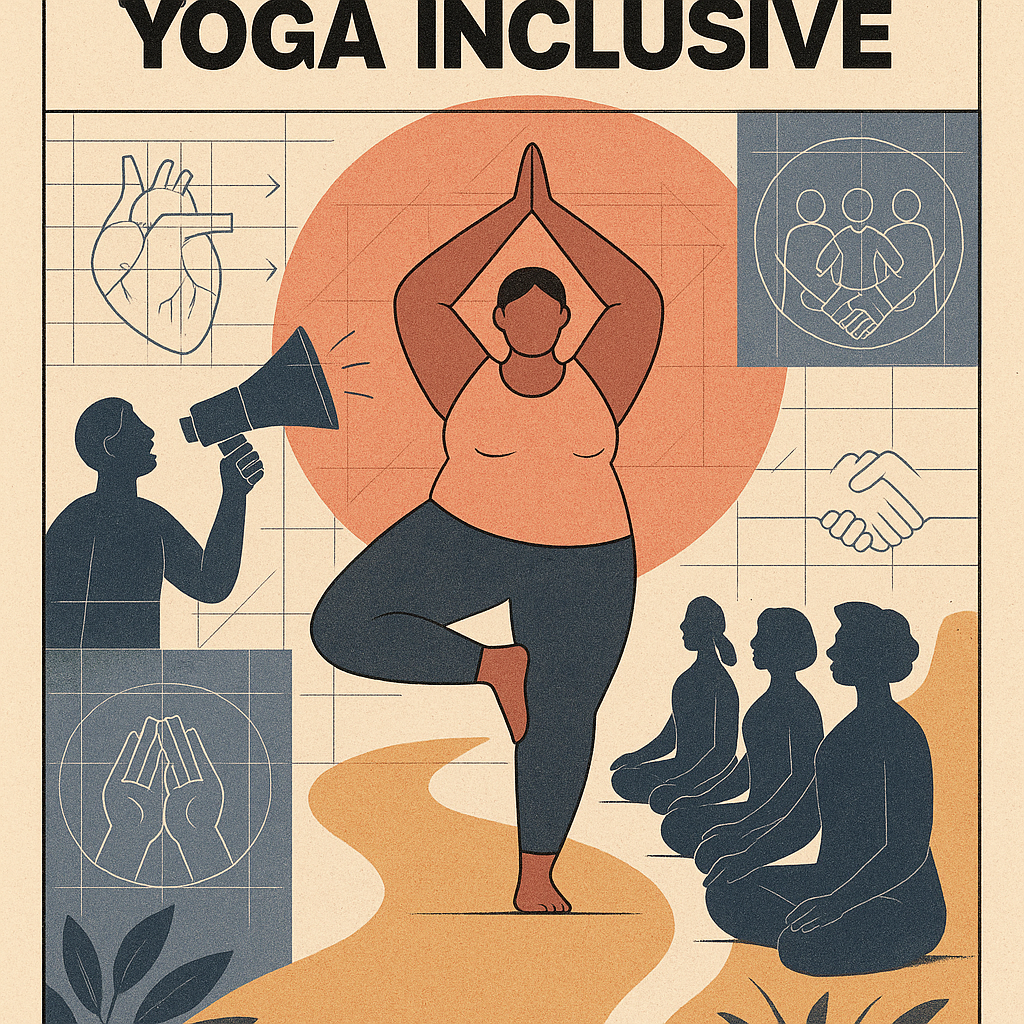
A 2017 study published in Research Quarterly for Exercise and Sport interviewed instructors of body-inclusive yoga classes. The research identified intentional practices that helped foster inclusion for people in nonconforming bodies: authentic leadership, focus on health rather than appearance, inclusive language, social activism, and building a sense of community.
This research matters because yoga spaces have not always been welcoming to all body types. The study provides an evidence-based framework for creating inclusive environments. When instructors lead with authenticity and focus on what bodies can do rather than how they look, more people benefit from the practice.
Inclusion is not just an ideal. Specific, learnable teaching practices make yoga accessible to more people.
Source: More Yoga Research on ashtanga.tech. Original research.