
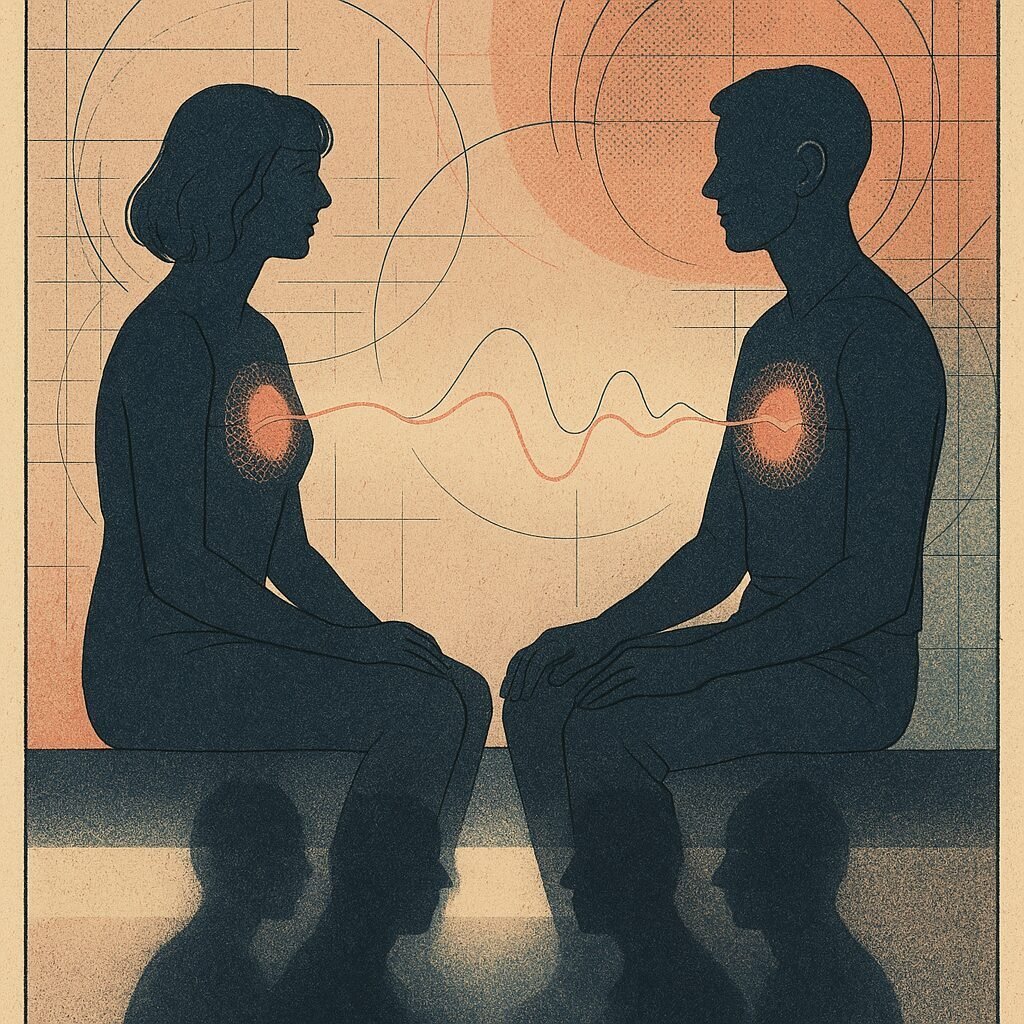
Compassion isn’t something you “try to feel.” That’s Hallmark. Compassion is perception. It’s what happens when the border between self and other gets a little less smug.
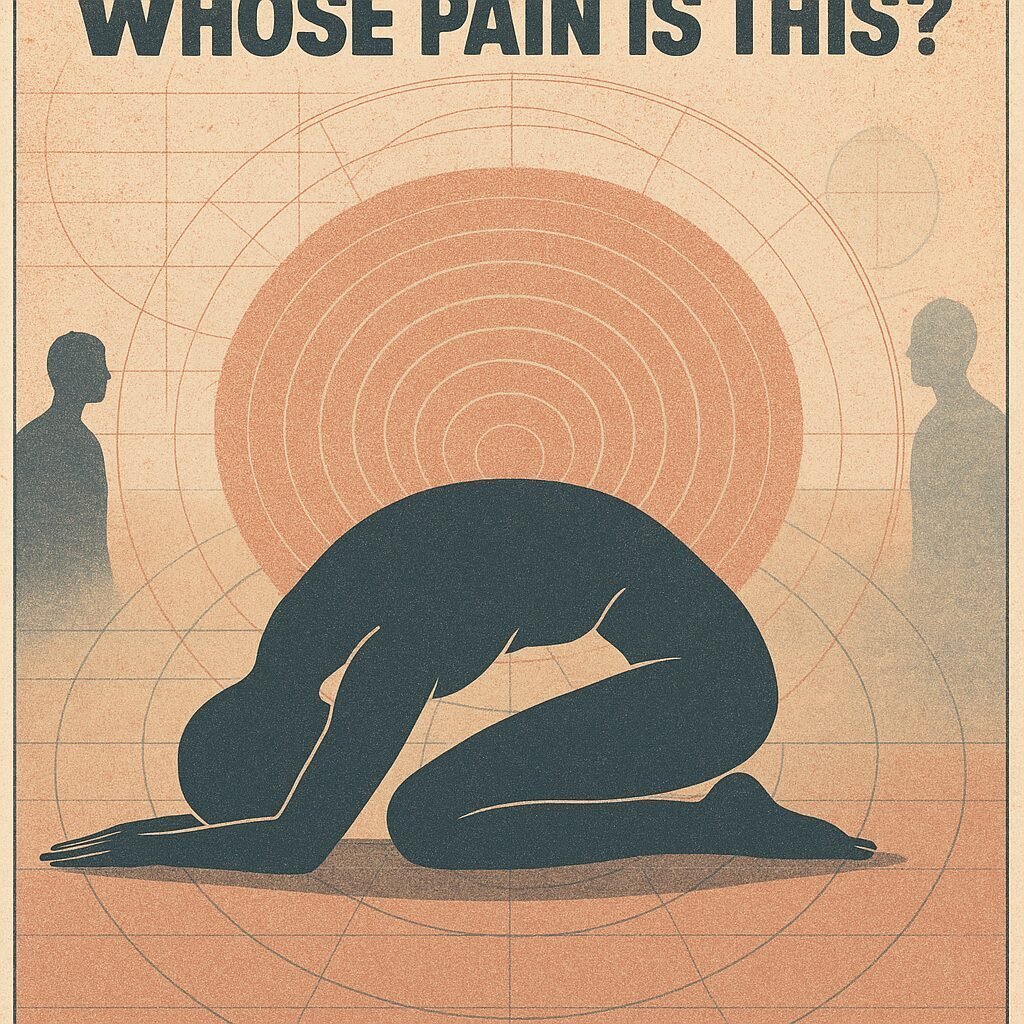
“In an experiential way, you are experiencing your pain. You are not experiencing their pain. But their pain is your pain.” Annoying sentence. True sentence. The mind wants clean ownership. The heart keeps changing the locks.
This is where yoga philosophy and the lived weirdness of being human collapse into the same thing. Duality starts to look like a useful convenience, not the final truth. The question “whose pain is this?” doesn’t get answered. It gets outgrown.
If you practice with other people—teach them, adjust them, breathe in the same room—this isn’t abstract. You’ve felt the porousness. A student shakes in backbends and something in you softens. Not pity. Not drama. Recognition.
And yes, “infinite compassion” sounds godlike. It also sounds exhausting. It’s okay that we can’t hold the suffering of all creatures without looking away. But it’s worth wrestling with the possibility that the separation we rely on is, at least sometimes, optional.
So take the next pose as a dry run. When sensation gets big and “mine” gets fuzzy, notice it. Don’t make it mystical. Just let it be training for the day you’re asked to stay present with someone else’s pain—without turning them into a project.