
The Shala Daily

YOGA β€’ PHILOSOPHY β€’ LIFE

August 22, 2026
🧠

The Brains of Long-Term Yogis

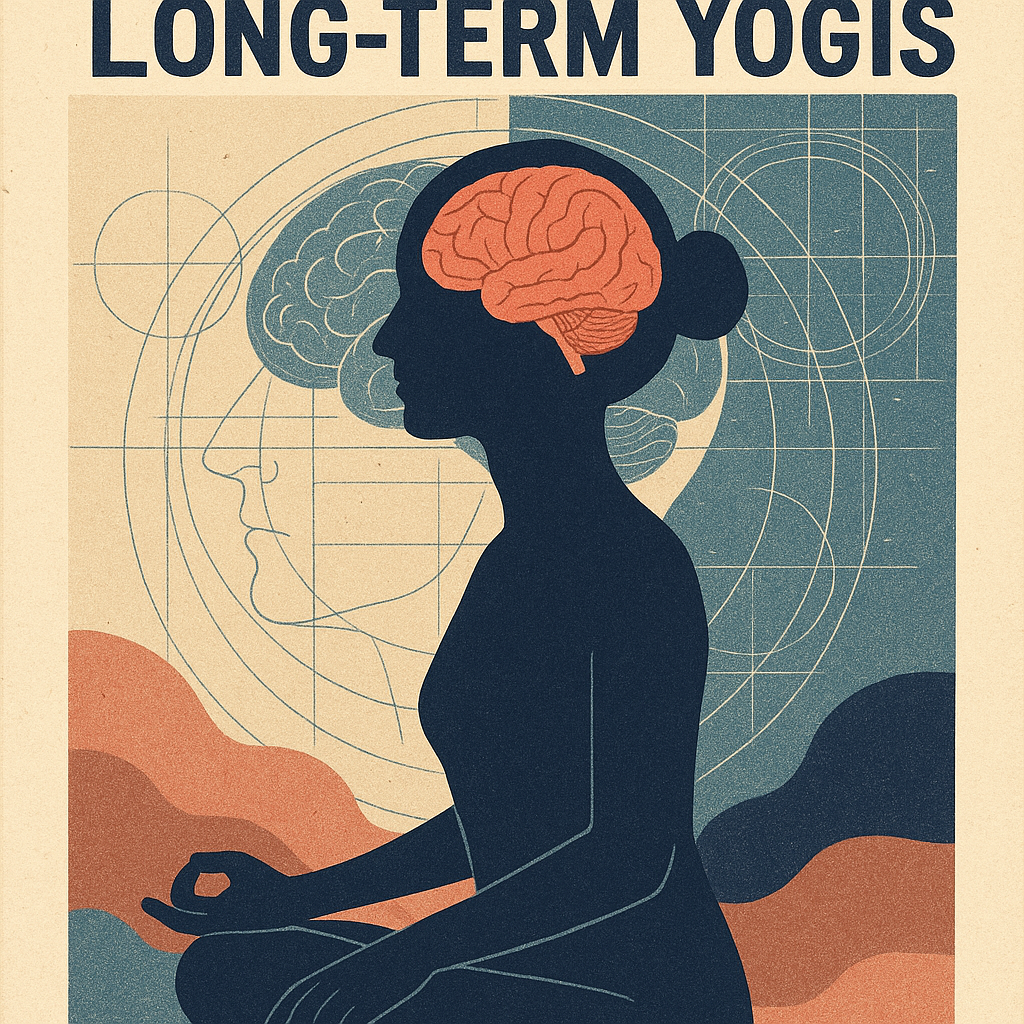
Female yogis over 60 had thicker prefrontal cortexes than non-practitioners, suggesting long-term practice may protect against cognitive aging.

πŸ•‰οΈ KEY CONCEPTS

abhyasa
sustained practice over time
dharana
concentration, focused attention
prajna
wisdom, discernment
tapas
disciplined effort
Slide Deck · The Brains of Long-Term Yogis
Slide 1

Researchers compared brain images of 21 female yoga practitioners aged 60 and older with a control group. The yogis had thicker left prefrontal cortexes, an area that normally thins over time, leading to impaired memory and attention. The women had practiced yoga for an average of 8 years.

The prefrontal cortex governs executive function, planning, and working memory. Its thinning is one of the most reliable markers of cognitive aging. The finding that long-term yoga practice is associated with a thicker cortex suggests the concentration required during practice may serve as a form of cognitive preservation. Researchers concluded that the longer you practice yoga, the more you protect your brain.

An additional review found yoga may alter DNA and reduce inflammation, with a positive impact on the stress response and disease prevention.

Source: Yoga Research: Brain Structure & Function on ashtanga.tech. Original research.

Carousel Β· Shala Daily
1/5

"Results: thicker left prefrontal cortexes, an area that usually thins over time leading to impaired memory and attention."

β€” Frontiers in Aging Neuroscience

Long-term practice may physically protect the brain. The longer you practice, the more the brain benefits.

β€” MJH
Original Article: "Yoga Research: Brain Structure & Function", ashtanga.tech
✦ ALL SHALA DAILY

Not sure where to start?

Chat with the intake assistant β€” tell it about your practice and it’ll point you to what fits.

Talk to the Intake Bot →